
Solar panels represent a significant investment for most homeowners. Understanding key factors before installation prevents costly mistakes and ensures maximum benefits from your system.
1. Evaluate Your Roof's Condition and Suitability
Your roof must support solar panels for 25-30 years. Install panels only on roofs in good condition. Replace damaged shingles, repair structural issues, and address any leaks before installation begins.
Roof orientation affects energy production. South-facing roofs generate maximum electricity in most locations. East and west-facing roofs produce 80-90% of south-facing output. North-facing roofs generate significantly less power and may not justify installation costs.
Shading reduces panel efficiency dramatically. Trees, buildings, or other structures casting shadows on your roof decrease energy production. Even partial shading on one panel affects the entire string of connected panels.
Roof age matters for installation timing. If your roof needs replacement within 10 years, it is recommended to complete roofing work first. Removing and reinstalling solar panels can add $3,000-$7,000 to roof replacement costs. It is also recommended to have solar panels added to homeowner's insurance as Act of God incidents can warrant the insurance company covering the removal and reinstallation costs.

2. Analyze Your Energy Usage Patterns
Review 12 months of electricity bills before sizing your solar system. Monthly usage varies significantly due to heating, cooling, and seasonal patterns. Summer air conditioning and winter heating create peak usage periods.
Calculate your average monthly kilowatt-hour (kWh) consumption. Divide your annual usage by 12 for a baseline number. Most residential systems range from 4kW to 10kW capacity.
Consider future energy needs when planning system size. Electric vehicle purchases, pool installations, or home additions increase electricity consumption. Plan for 20-30% growth in usage over the next decade.
Time-of-use rates affect solar savings calculations. Many utilities charge higher rates during peak hours (typically 4-9 PM). Solar panels generate maximum power during midday hours when rates are often lower.
3. Understand Solar Panel Types and Efficiency
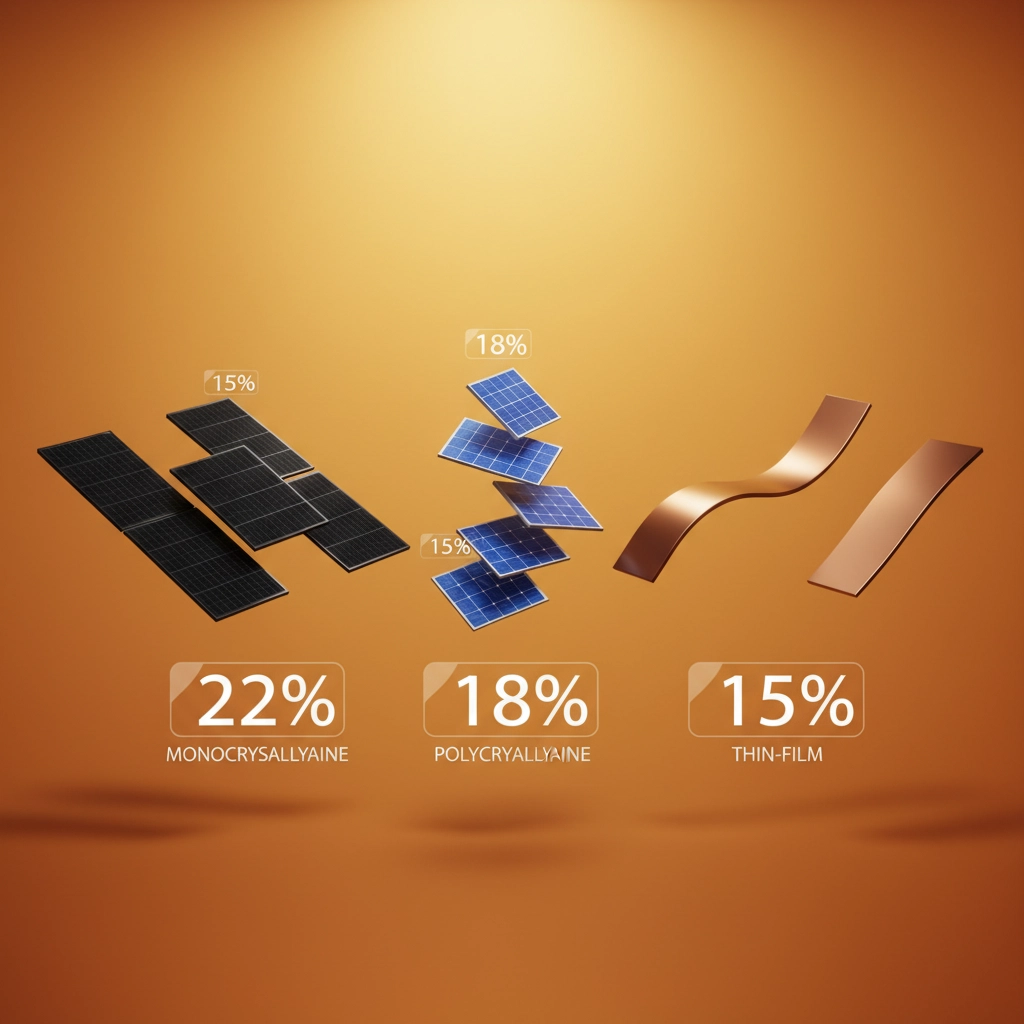
Three main solar panel technologies dominate residential markets: monocrystalline, polycrystalline, and thin-film panels.
Monocrystalline panels offer highest efficiency (18-22%) and longest lifespan. These panels perform better in high temperatures and low-light conditions. Premium pricing reflects superior performance characteristics.
Polycrystalline panels provide moderate efficiency (15-17%) at lower costs. Blue-colored panels work well for budget-conscious installations. Slightly lower performance in extreme temperatures compared to monocrystalline options.
Thin-film panels cost least but require more roof space due to lower efficiency (10-12%). Better performance in shaded conditions but shorter lifespans than crystalline options.
Panel wattage ranges from 250W to 450W per panel. Higher wattage panels reduce installation costs by requiring fewer mounting points and less hardware.
4. Calculate Financial Returns and Payback Periods
System costs vary by location, installer, and equipment quality. National averages range from as low as $15,000 to as high as $50,000 before incentives for typical residential installations.
Federal tax credits reduce system costs by 30% through 2032. Many states offer additional rebates, tax credits, or performance incentives. Research local programs before finalizing installation plans.
Payback periods typically range from 8-12 years depending on local electricity rates and solar resource availability. Higher electricity rates accelerate payback timelines significantly.
Net present value calculations account for inflation, energy rate increases, and system degradation over time. Most systems generate positive returns over 25-year lifespans when properly sized and installed.
Utility net metering policies affect long-term savings. Full retail credit for excess production maximizes system value. Time-of-use or reduced credit rates lower financial benefits.
5. Compare Financing Options
Cash purchases provide maximum long-term savings and simplest ownership structure. Full federal tax credits apply immediately. No monthly payments or interest charges reduce total system costs.
Solar loans offer low interest rates (3-7%) with minimal down payments. Loan terms typically match system warranties (20-25 years). Monthly payments often equal or exceed current electricity bills during initial years.
Solar leases require no upfront costs but provide limited savings. Lease companies retain tax credits and own equipment. Monthly lease payments increase annually, reducing long-term benefits.
Power purchase agreements (PPAs) charge fixed rates for solar electricity production. No maintenance responsibilities but limited savings potential. Contract terms typically span 20-25 years with buyout options.

6. Choose Between Grid-Tied and Off-Grid Systems
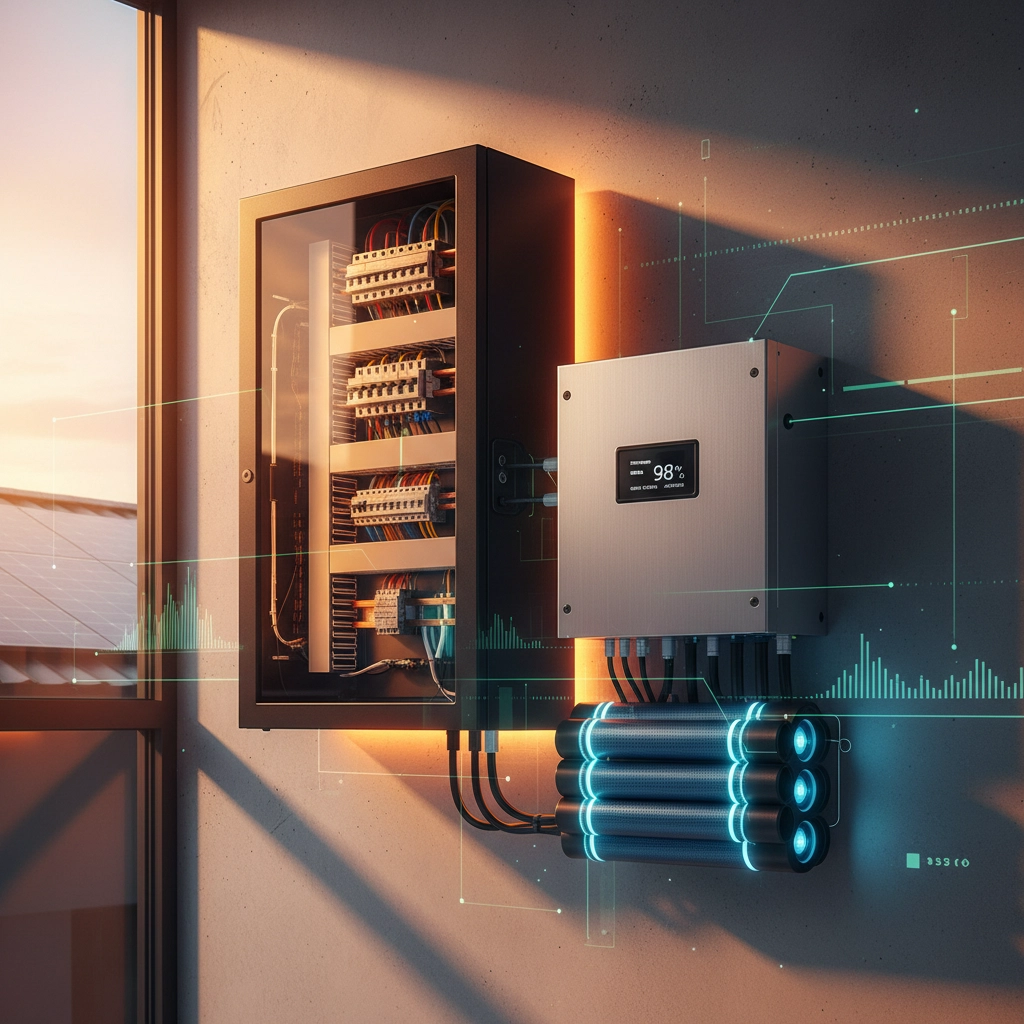
Grid-tied systems connect to utility networks and provide net metering benefits. Excess production credits appear on monthly utility bills. Lower costs due to no battery storage requirements.
Battery backup systems store excess energy for nighttime use or power outages. Lithium-ion batteries cost $10,000-$15,000 for whole-home backup capability. Battery warranties typically last 10 years.
Off-grid systems require substantial battery storage and backup generators. Total system costs often double due to storage requirements. Complex sizing calculations ensure adequate power during extended cloudy periods.
Hybrid systems combine grid connection with battery storage. Optimal for areas with frequent outages or time-of-use rates. Batteries charge from solar during peak rate periods.
7. Research Installers and Review Contracts Carefully
Licensed electricians must complete final system connections in most jurisdictions. Verify installer licenses, insurance coverage, and Better Business Bureau ratings. Request local references and inspect completed installations.
Multiple quotes reveal pricing variations and system design differences. Compare equipment specifications, warranties, and installation timelines. Lowest bids may indicate inferior equipment or installation practices.
Installer experience with your specific roof type and local permitting processes affects project timelines. Local companies often provide better service and faster problem resolution than national chains.
Production guarantees specify minimum annual energy output. Monitoring systems track actual production against estimates. Performance guarantees typically last 5-10 years beyond equipment warranties.
Contract terms define payment schedules, change order procedures, and completion deadlines. Review warranty coverage for equipment, installation workmanship, and production performance. Understand maintenance requirements and monitoring system access.
Permitting and interconnection applications require utility coordination. Experienced installers manage paperwork efficiently and coordinate required inspections. System activation typically occurs 4-8 weeks after installation completion.
Solar installations provide decades of clean energy and reduced electricity costs when properly planned and executed. Thorough research and careful contractor selection ensure maximum returns on your solar investment. Take time to understand each factor before signing contracts or beginning installation processes.
Consider consulting with energy advisors or solar professionals for personalized system analysis. Local solar installers like Second Sunrise Solar provide detailed assessments based on your specific property characteristics and energy needs. Professional guidance helps navigate complex decisions and maximizes long-term solar benefits.